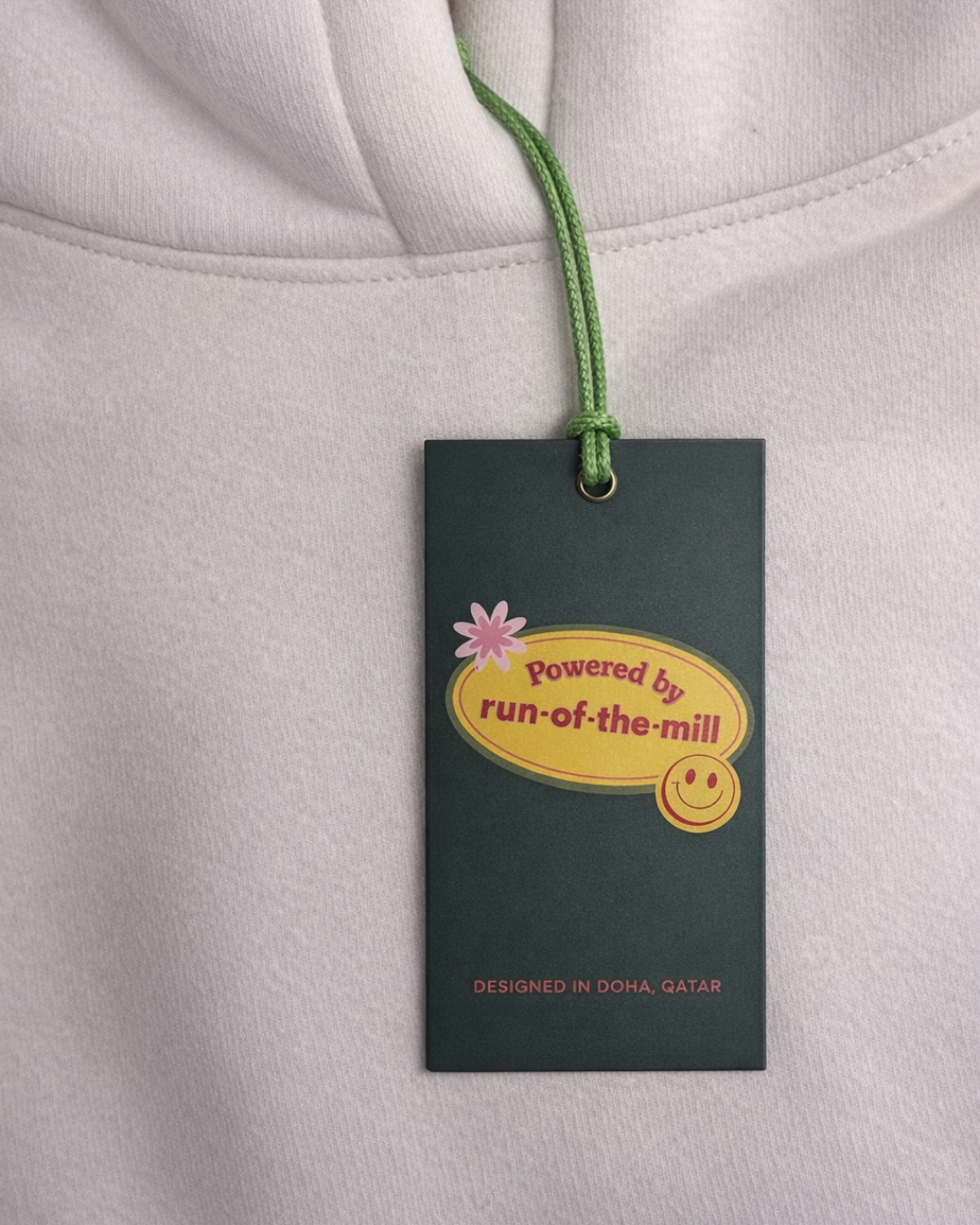
We sample before we produce, on every project, without exception. It slows down the first two weeks of a project and saves the following ten. Here's what actually happens between an approved design and a physical sample landing on our table in Istanbul.
Why we sample at all
A design file and a physical garment are not the same thing. Fabric weight, drape, colour under real light and fit on an actual body only become obvious once something exists in the physical world. Approving a full production run from a flat sketch or a digital mockup means the first time anyone sees whether it actually works is when hundreds of units already exist.
Step one: fabric and colour, before cut and construction
Before we cut a single sample garment, we confirm fabric weight and colour against a physical swatch, not a screen. Screens render colour inconsistently between devices, and a fabric's weight and hand-feel simply can't be judged from a photo. This step alone catches a large share of the mismatches that would otherwise only surface after full production.
Step two: a construction sample, reviewed on a real body
Once fabric and colour are locked, our ateliers construct a first sample. This is where fit actually gets tested, not against a size chart, but against a real body, checking shoulder seams, sleeve length, hem drop and how the garment sits under natural movement, not just standing still.
Step three: print, embroidery and trim, checked together
Decoration is sampled on the actual garment and fabric it will ship on, not on a flat test swatch. Ink behaves differently on different fabric weights, and embroidery density that looks fine on paper can pull or pucker on a lighter fabric. We check these together, not separately, because they interact.
Step four: review, adjust, re-sample if needed
Most projects need one round of adjustment after the first sample, usually something small: a shoulder seam moved half a centimetre, a colour nudged a shade warmer, embroidery density reduced slightly. We'd rather build in time for a second sample round than approve a run with a known compromise baked in.
Only then does full production start
Once a sample is approved, that exact spec, fabric, fit, decoration, gets locked and used to run the full order. Nothing changes between the approved sample and the production run without a new round of review.
What this means for your timeline
Sampling typically adds one to two weeks to the front of a project, and it's the single best-value two weeks in the entire process. It's far cheaper to adjust a single sample than to discover a fit or colour issue across an entire production run.
See how the full production journey works, from brief to unboxing.