"How much does this cost" is almost always followed by "it depends," and that answer is usually true but not very useful. Here's what actually drives price per unit in custom merch, so the "it depends" comes with real reasons attached.
Quantity is the single biggest lever
Most production costs, sampling, setup, tooling for print or embroidery, are largely fixed regardless of order size. Spread across a larger run, that fixed cost per unit drops sharply. This is why the jump from a small pilot order to a standard production run often lowers price per piece more than any other single decision.
Fabric weight and composition
A heavier, denser fabric costs more per metre than a lighter one, and a garment cut from more fabric per unit, an oversized fit versus a standard cut, uses more material. Fibre content matters too: certified organic cotton typically costs more than conventional cotton, and blended fabrics price differently again depending on the blend.
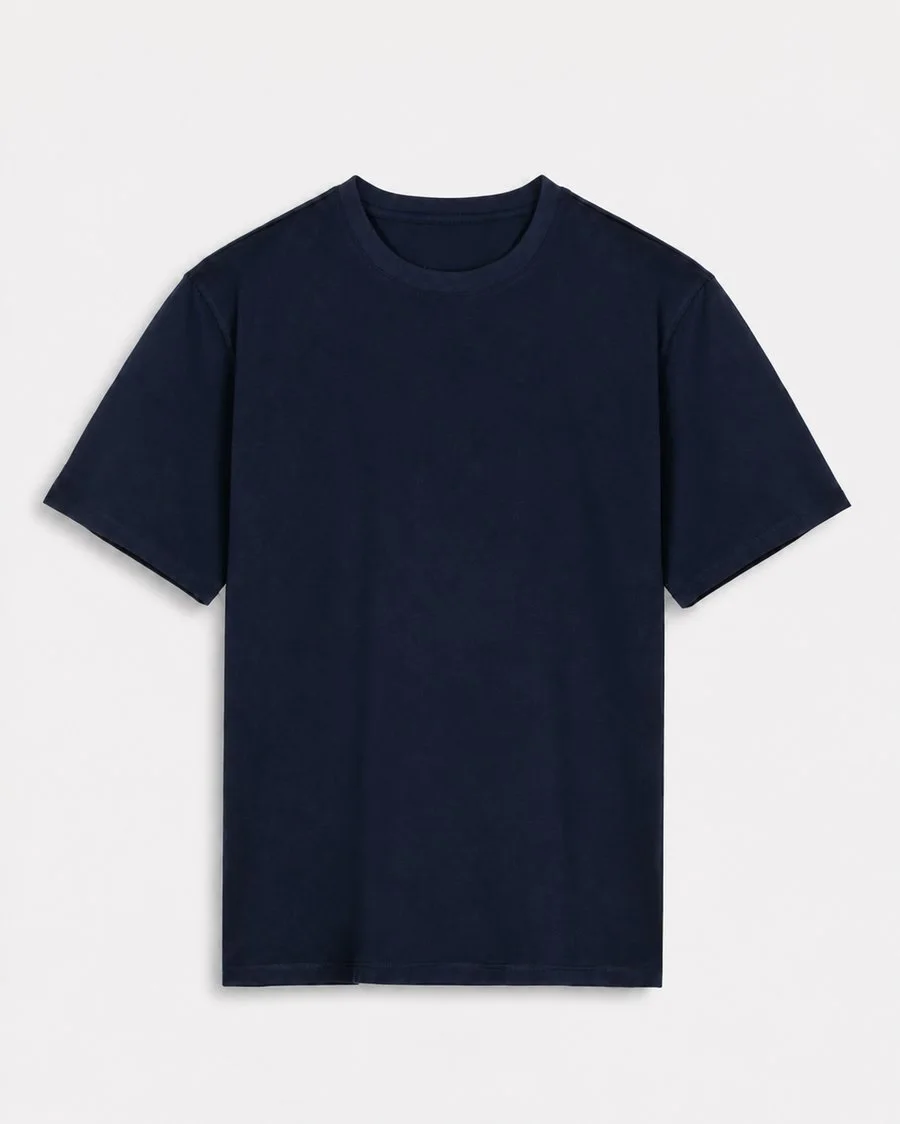
Heavier fabric
More material per unit means a higher base cost before decoration.
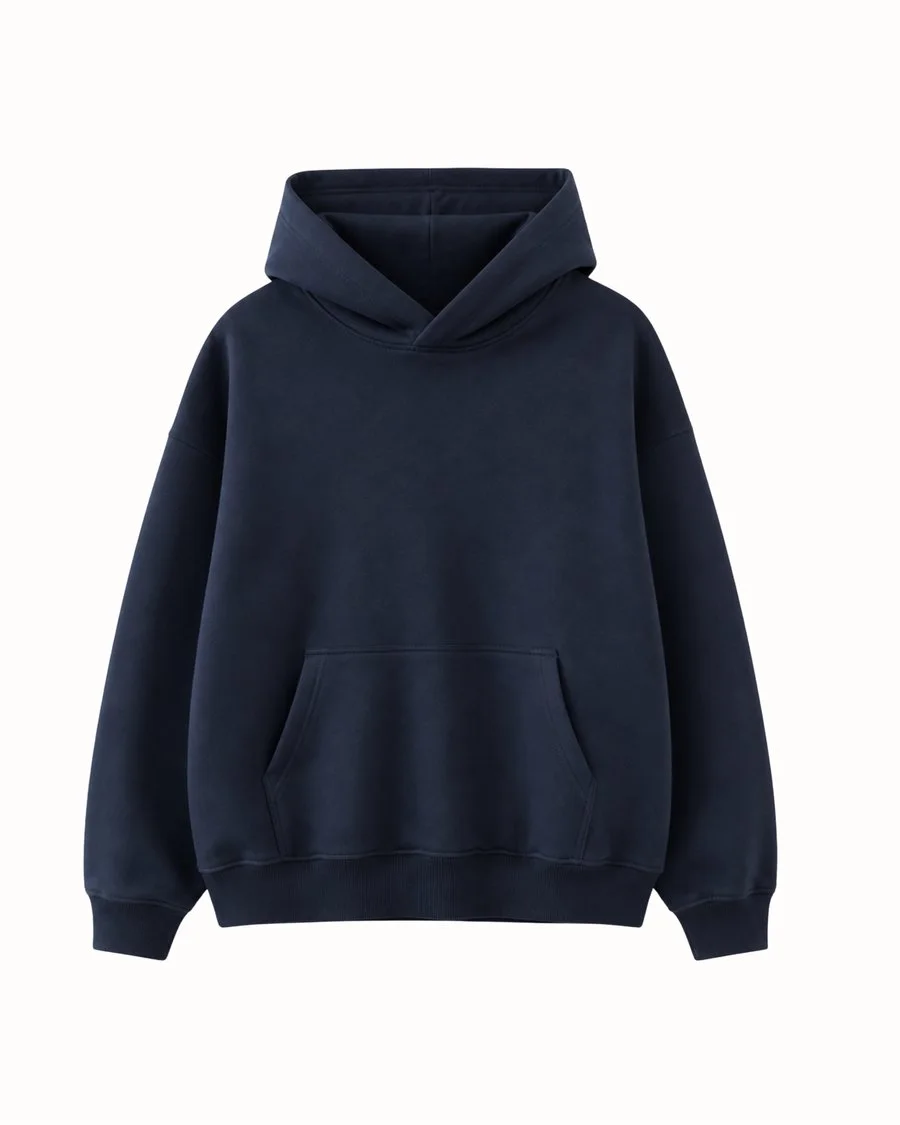
More construction
Multiple panels and trims add labour cost beyond the fabric itself.
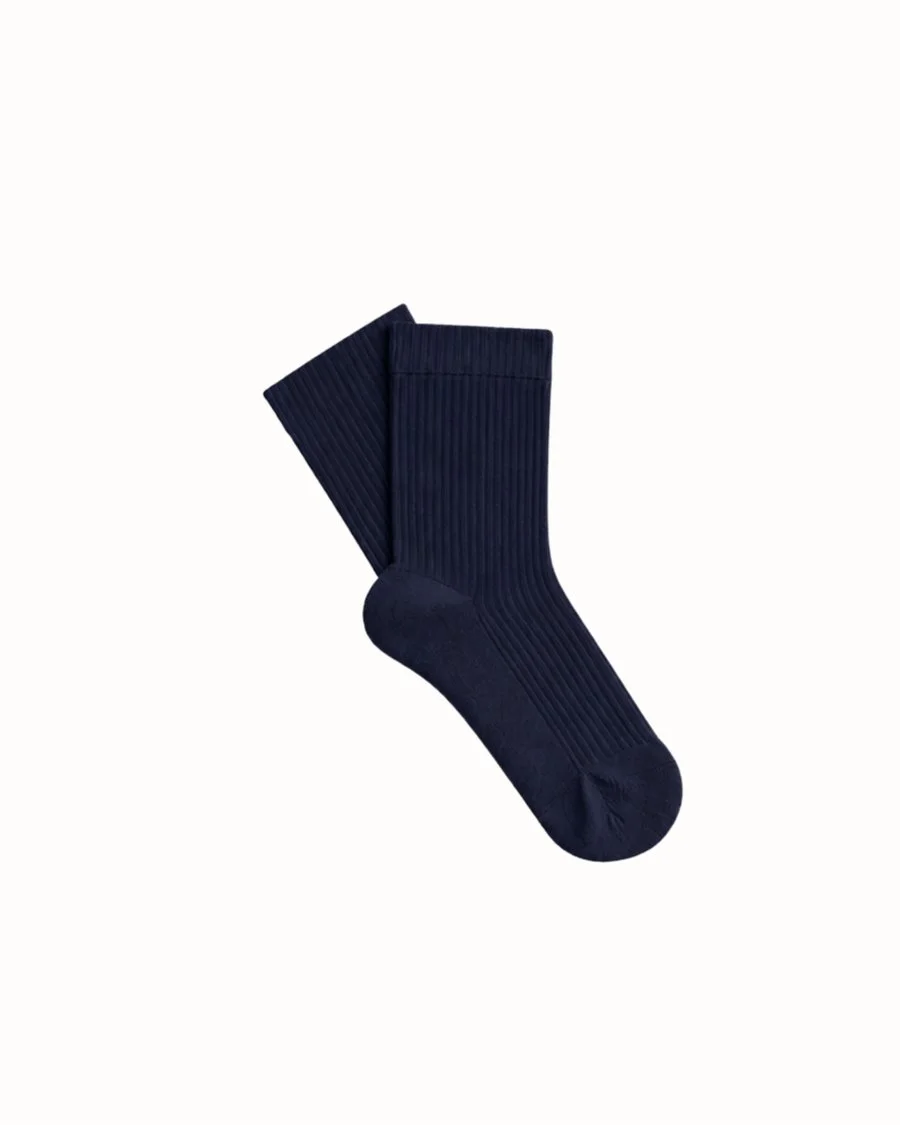
Simpler construction
Smaller, simpler pieces are typically the most budget-friendly per unit.
Decoration method and coverage
Screen print, embroidery and woven patches all price differently, and within each method, the number of colours or the stitch density changes the cost. A small, single-colour logo is inexpensive to apply at any method. Large-format, multi-colour artwork costs meaningfully more, particularly in embroidery, where stitch count drives both price and production time.
Construction complexity
A simple single-panel tee is faster and cheaper to construct than a multi-panel hoodie with a lined hood, ribbed cuffs and a kangaroo pocket. Every seam, panel and trim detail adds labour time, which adds cost, independent of the fabric itself.
Packaging and fulfilment
Individual polybagging, custom hang tags, branded mailers and kitting for direct-to-recipient shipping all add cost beyond the garment itself. Bulk shipping to a single address is the least expensive fulfilment option; shipping individually to a distributed team is more, but often worth it for onboarding packs and SKO kits where sizing has to match the individual.
What doesn't need to be expensive to look considered
A well-chosen single-colour print on a genuinely good fabric almost always outperforms a busy, multi-colour design on a thin one. The fabric and fit are what a garment communicates on first touch. Decoration complexity is a much smaller lever on perceived quality than most people expect.
Our minimum order quantity
We work with a 20+ unit minimum across most products, which keeps per-unit setup costs reasonable while staying accessible for smaller teams and pilot orders, not just large enterprise runs.
Tell us the product, quantity and decoration you have in mind and we\u2019ll price it properly.