Most onboarding packs fail for the same reason: they're assembled in a hurry, from whatever's already sitting in a supply closet. A branded pen, a stress ball, maybe a mug that gets one coffee before it's forgotten. None of it says anything about the company a new hire just joined.
The research backs up why this matters. New hires who go through a structured onboarding process are 69% more likely to stay with a company for three years or more, according to SHRM. Separately, 89% of employees say they feel more engaged when onboarding is done well, per BambooHR's research. A first-day kit is a small, physical part of that experience, and it's one of the easiest to get right.
Here's how we think about building one, based on the onboarding packs we produce for clients at Acro Brand.
Start with a simple formula: one wearable, one useful, one small gesture
The strongest onboarding packs we've seen don't try to do too much. They pair one wearable item people will reach for outside the office, one useful item that earns a permanent spot on a desk or in a bag, and one small gesture, like a printed welcome note, that costs almost nothing but changes how the whole pack feels.
Overstuff the box and it starts to feel like a warehouse clearance. Keep it to three considered pieces and it feels like a gift.
The wearable: pick something that survives a normal Tuesday
A logo on a t-shirt is not, by itself, a reason to wear it again. Fit, fabric weight and cut do the actual work. This is why we sample before we produce: fit, hand-feel and finish get reviewed on a real body before a single unit goes into a production run.
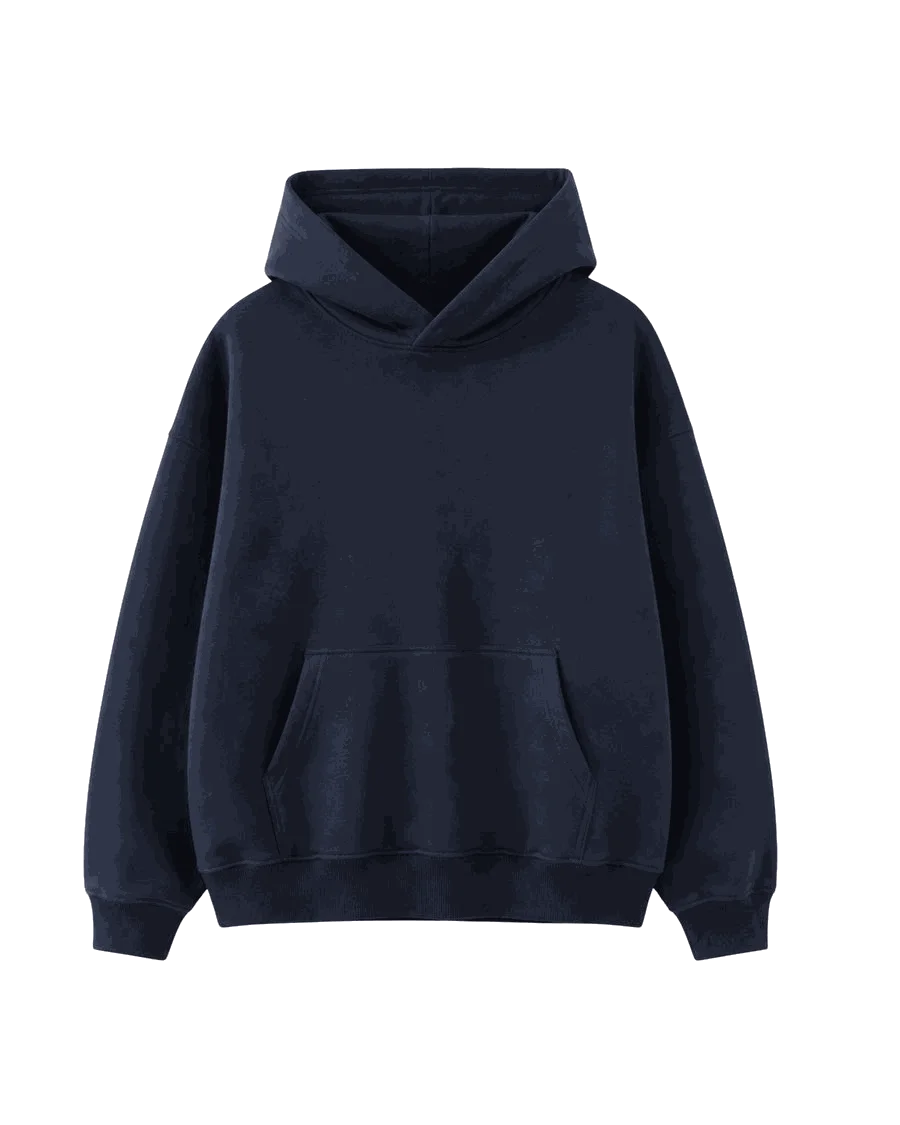
Hoodie or crewneck
The highest-reorder item on almost every onboarding pack we produce.
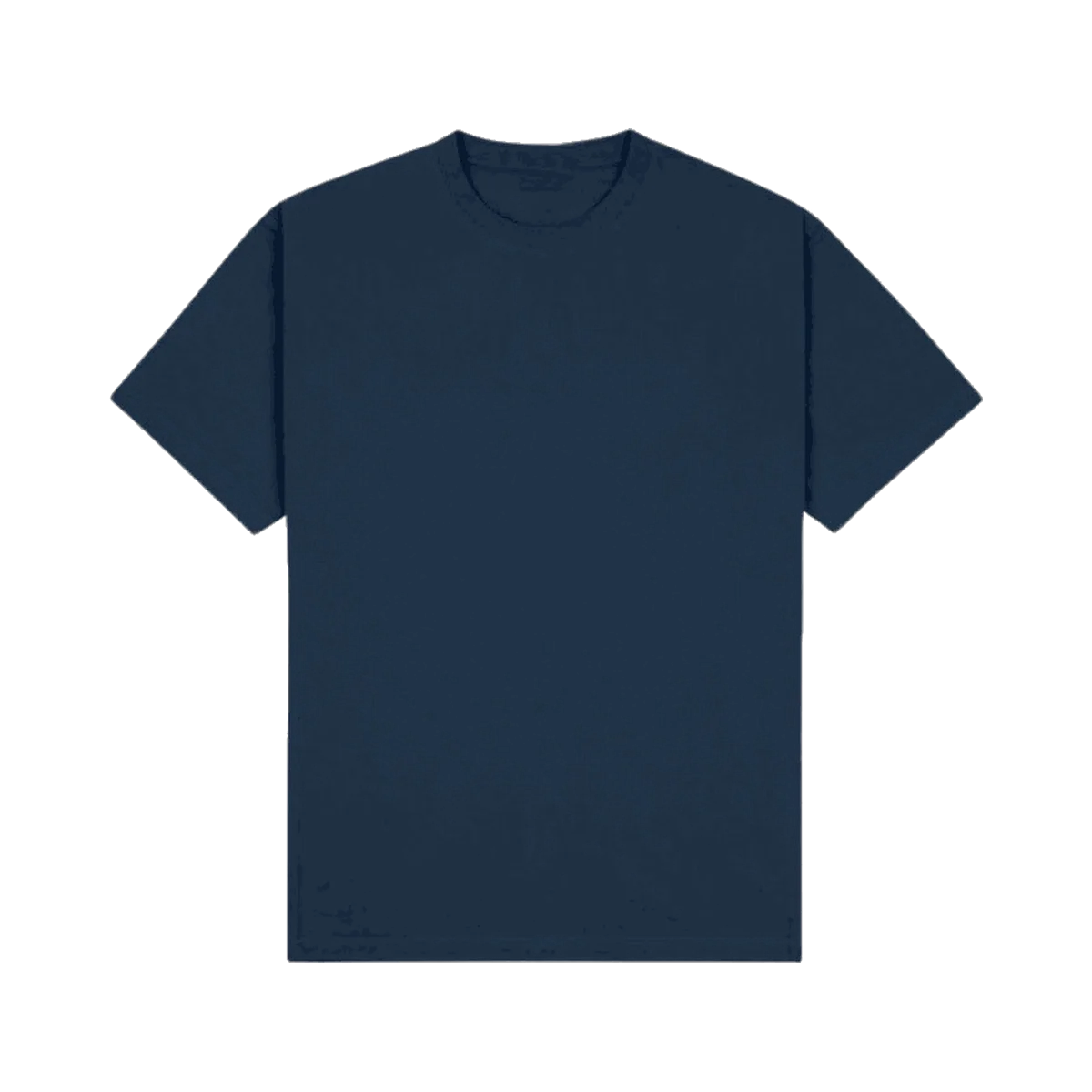
Everyday tee
A lighter option for warmer climates or casual-first teams.
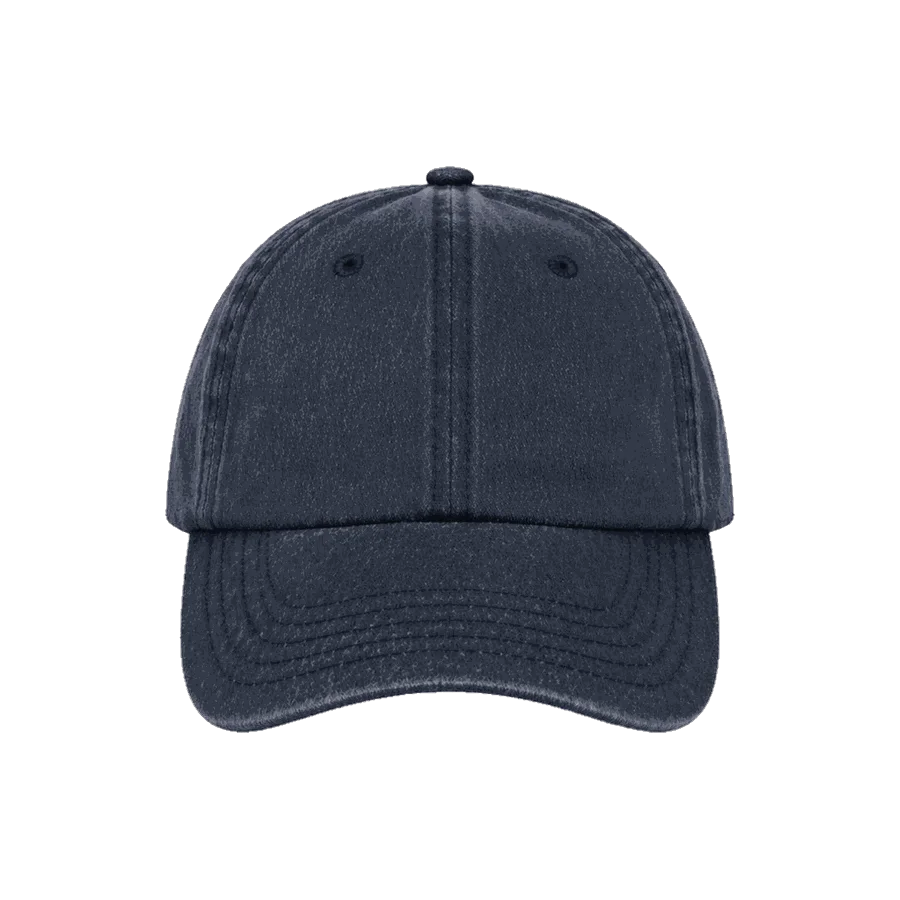
Cap or beanie
A low-cost add that rounds out a pack without stretching the budget.
The useful item: something that leaves the desk drawer
This is the piece that has to earn its place on a commute, not just a shelf. Totes consistently outperform notebooks and mugs here, mostly because they get used the same week they arrive, not eventually.
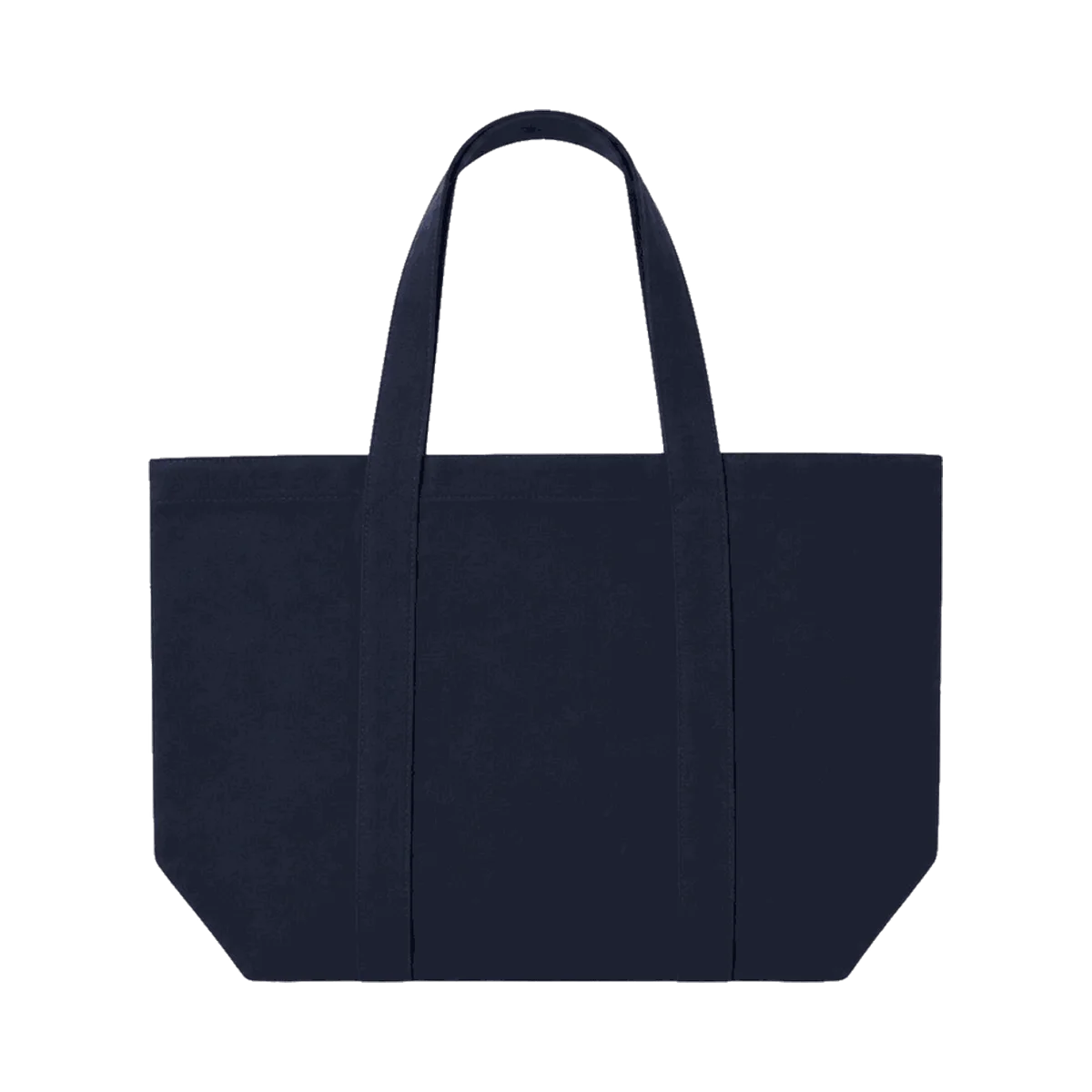
Tote bag
Doubles as a laptop bag on day one, then a grocery bag every day after.
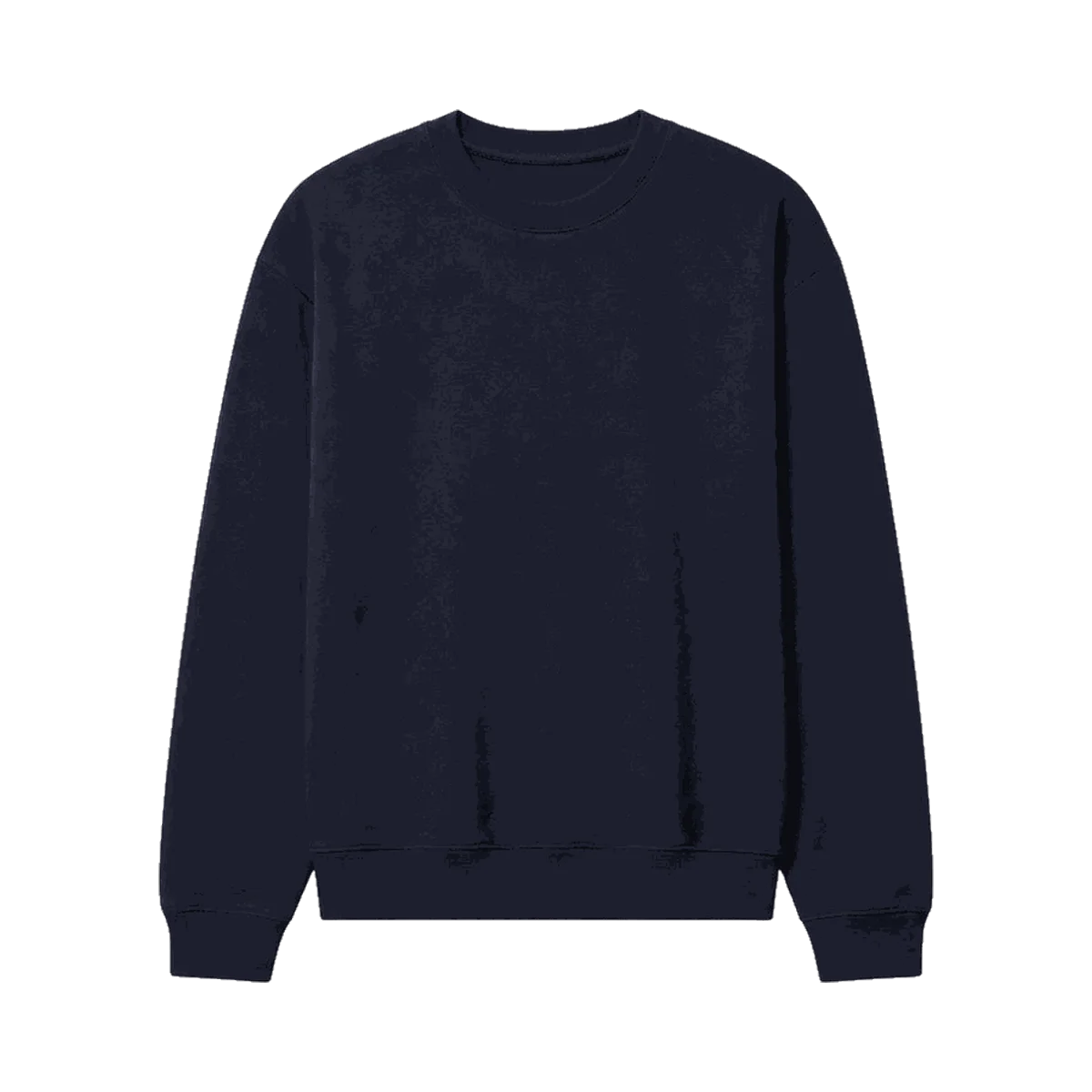
Crewneck sweatshirt
A slightly dressier alternative for hybrid or client-facing roles.
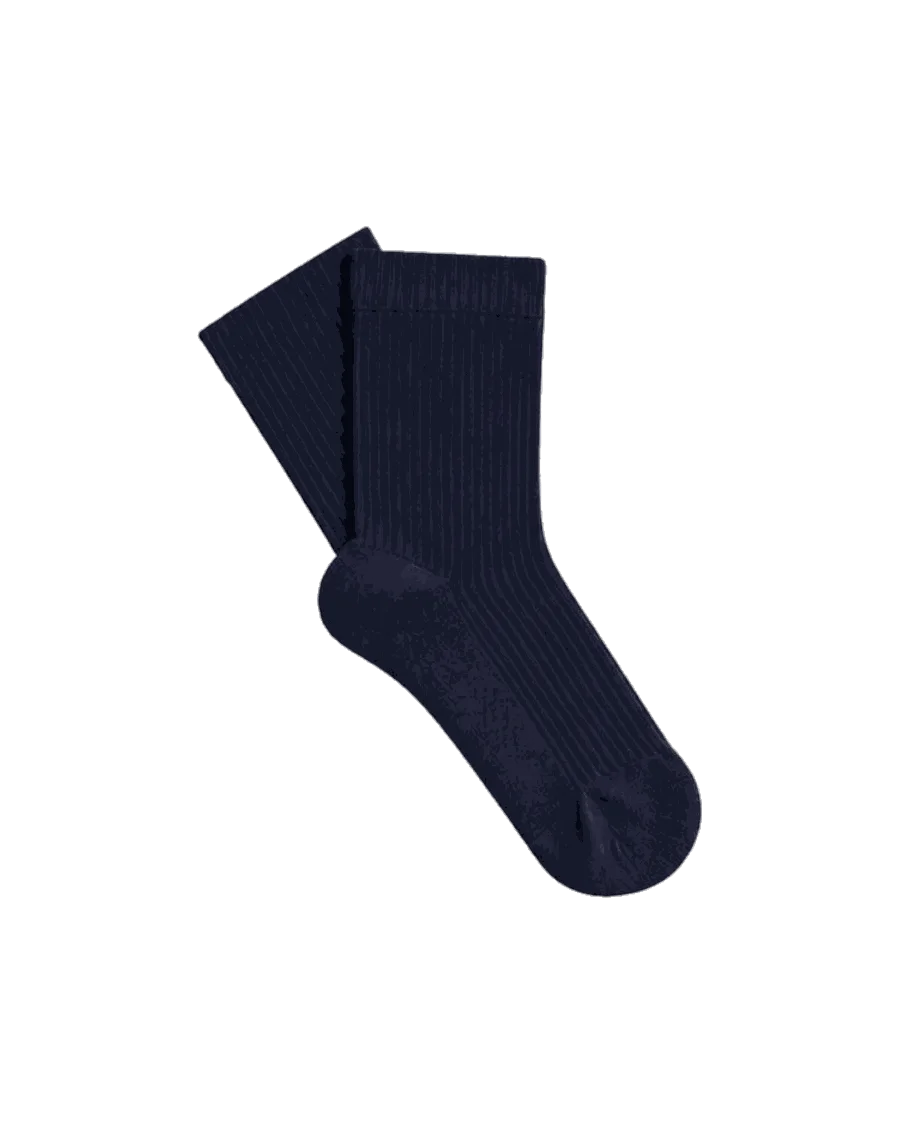
Socks
Small, inexpensive, and the detail people photograph and post.
The small gesture: a note, not a gimmick
A printed card with a new hire's name, or a one-line welcome from their manager, costs almost nothing to add and does more for the "this was made for me" feeling than another product would. Skip the confetti and the branded gadgets. A considered note reads as more thoughtful than a third logo item.
Timing: order before you need it, not after
The most common onboarding-pack mistake isn't the product mix, it's the calendar. Once a design and sizing are approved, production typically runs 6 to 10 weeks. For a rolling hiring calendar, that means treating the pack as a standing spec you reorder against, not a one-off project you restart every quarter.
For sizing, we usually recommend a redeem link: each new hire enters their own size and address before their start date, so nothing shows up in the wrong size or at the wrong office.
What we'd skip
- Anything with an expiry date. Food and drink items are a nice touch but say nothing about the brand once they're gone.
- Cheap tech gadgets. A logo phone stand or USB drive rarely gets used and reads as an afterthought.
- A single unisex cut. One size stretched across an entire team fits fewer people well than a real size range.
See how we scope, sample and produce them, or start a project directly.