A merch programme that works well for one office rarely survives being copied and pasted across five. The details that made it work, a trusted local supplier, one person who knew everyone's size, a spec that lived in someone's head, don't travel. Scaling merch across offices is less about ordering more and more about building a spec that doesn't depend on any one person remembering it.
One spec, documented, not remembered
The single biggest failure point in multi-office merch programmes is a spec that only exists in one person's inbox. Fabric weight, sizing, colourways and approved artwork need to be written down and versioned, so a reorder from a new office manager in a different city produces the same product as the original run, not a close guess at it.
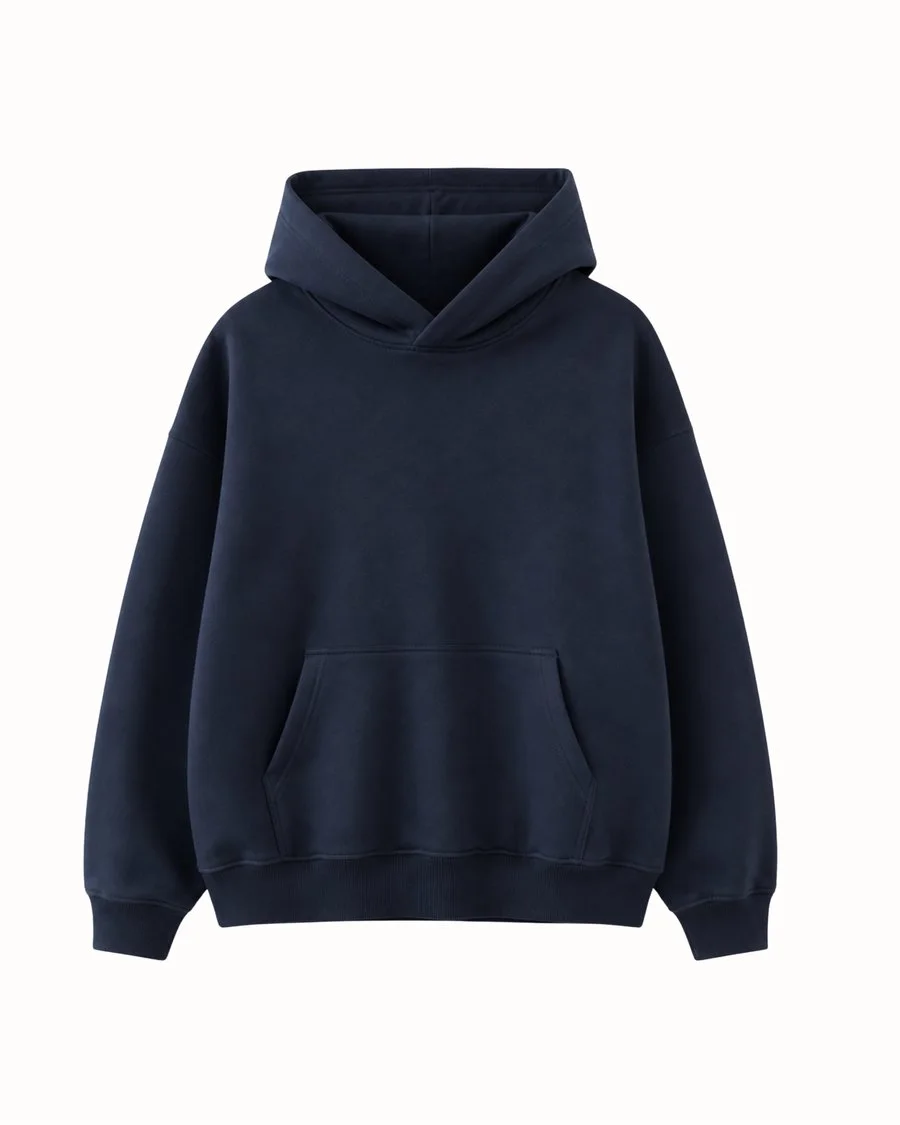
Hoodie
A proven cut and weight, reordered identically no matter which office is asking.
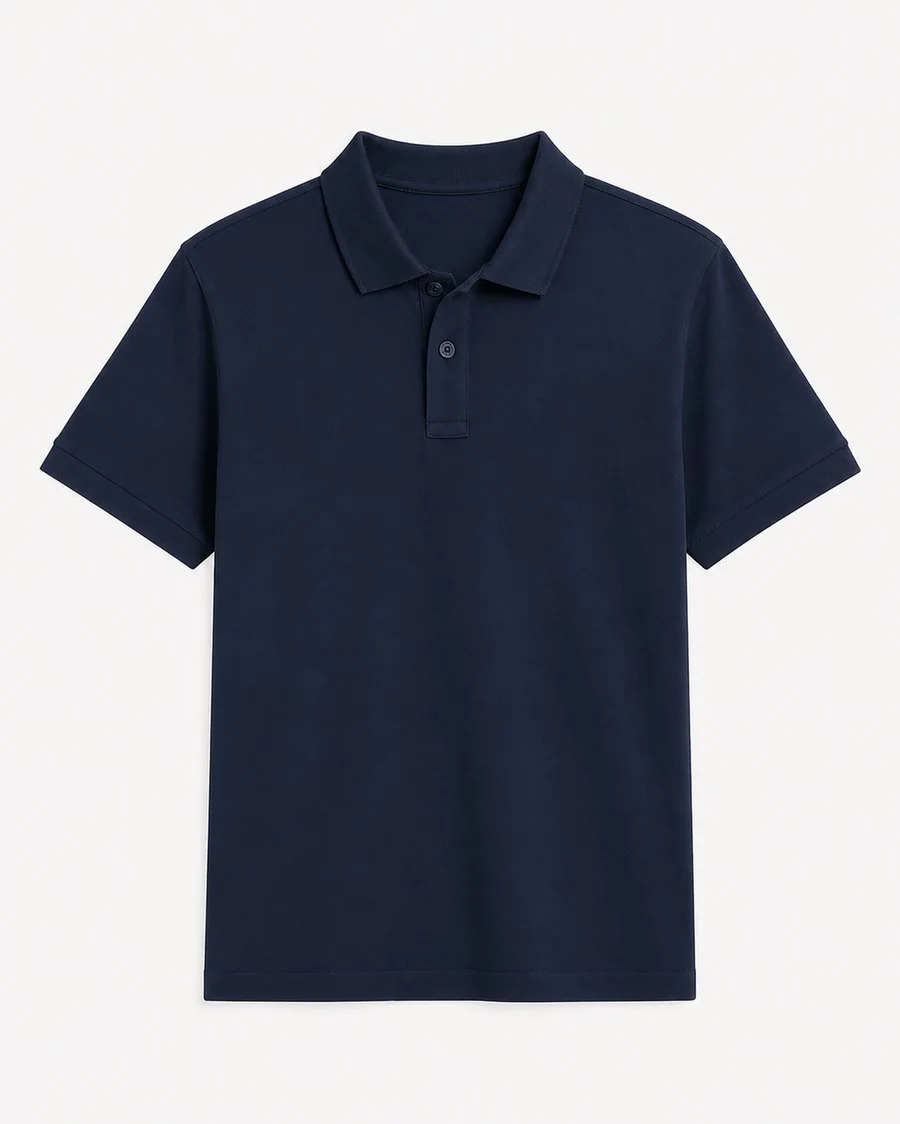
Oversized polo
A client-facing piece that stays consistent across every region.

Cap
A lower-cost item that still needs the same spec discipline as the rest.
One point of contact, even across regions
Programmes that scale well usually route every office's request through a single point of contact rather than letting each location source independently. It costs a little coordination up front and saves months of quality drift, mismatched colours, different fabric weights, inconsistent sizing between offices ordering the "same" hoodie a year apart.
Standing orders beat one-off approvals
Once a spec is proven and approved, treat it as a standing order new offices and new hires draw against, rather than a project each region re-approves from scratch. This is usually the difference between a two-day reorder and a six-week design cycle every time a new office opens.
Let regional needs flex inside a fixed system
Not every region needs identical products, an office in a warmer climate may lean toward lighter tees over hoodies, but the underlying system, fabric standards, sizing logic, approved colour palette, should stay fixed even as the specific pieces flex by region.
What we'd skip
- Letting each office source its own supplier. Consistency erodes fast once quality control isn't centralised.
- Re-approving artwork for every region. Lock the system once, then let regions choose from within it.
- No documented spec. If the fabric weight and sizing only live in one inbox, the programme won't survive a personnel change.
See how we build documented specs for multi-office programmes, or start a project directly.