A sales kickoff pack has a narrower job than most merch: it needs to land well in the first ten minutes of the event and still be worn or used a quarter later. Most SKO packs we see fail on the second half of that, they photograph well on stage and then disappear into a drawer the following Monday.
Design for the room, not just the stage photo
SKO merch gets photographed on day one, on stage, at the welcome table, in the group photo. It's tempting to optimise entirely for that moment: bold colour, big logo, matching kit for the whole room. That's the right instinct for the wearable everyone gets on day one. But the pack should also include at least one piece built for the following months, not just the event itself.
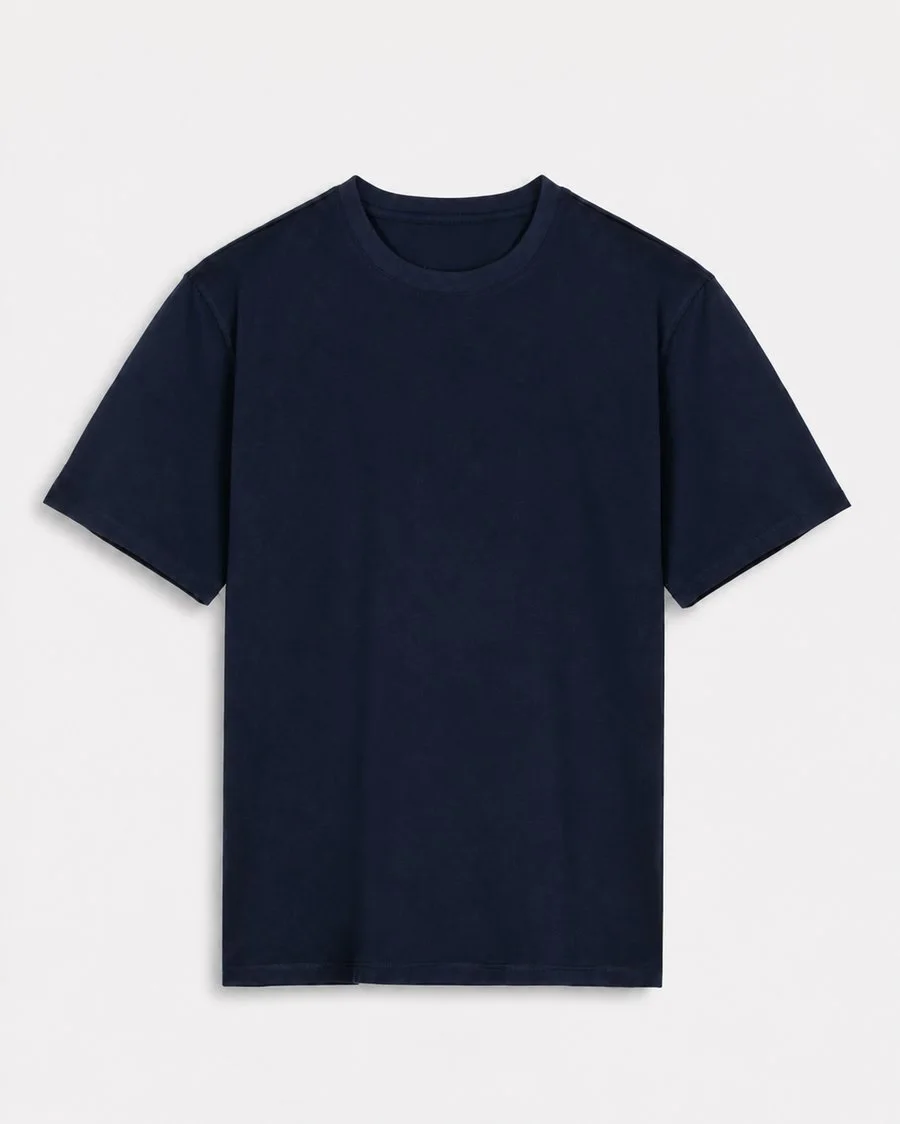
Kickoff tee
The day-one piece, sized and matched across the whole sales floor.
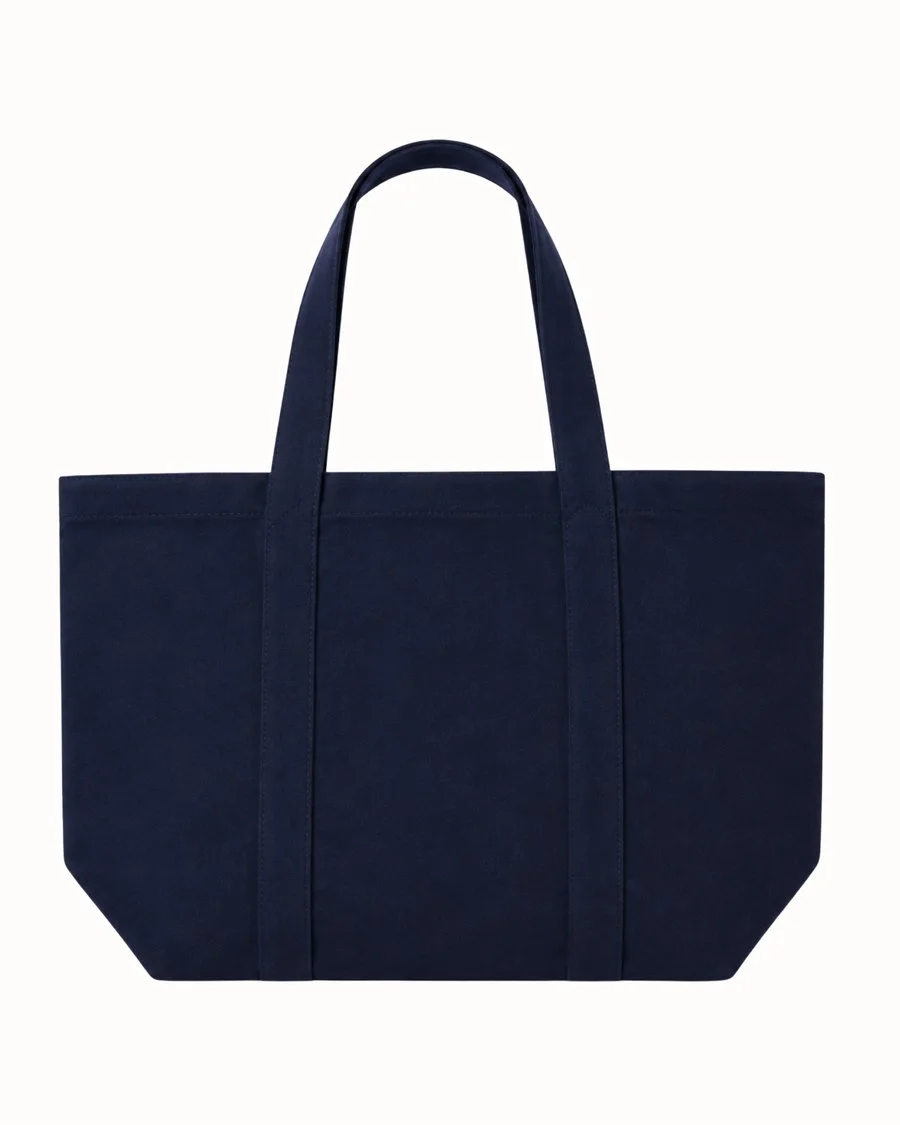
Tote bag
Carries the rest of the SKO swag, then becomes a laptop bag after.
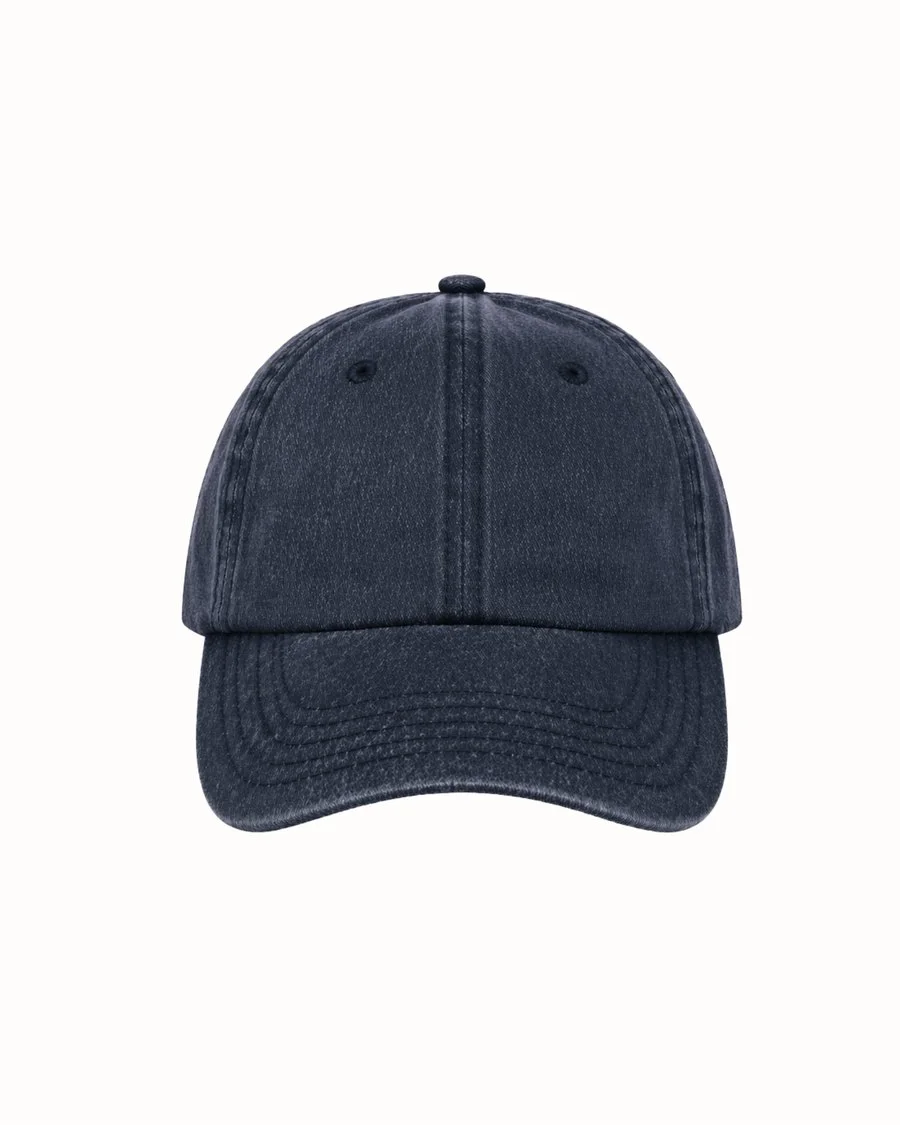
Cap
A lighter add-on that still photographs well in a group shot.
What actually gets reused after the event
Reps who travel for client visits tend to reach for one piece from an SKO pack for months afterward, usually a hoodie or a quality tee they'd wear outside work anyway. That's the item worth spending the real budget on. Everything else in the pack can be lighter weight, since its job is mostly done by the end of the week.
Sizing across a distributed sales team
SKO packs usually ship to a sales team spread across offices or working remotely, which makes sizing the hardest logistics problem, not the design. We generally recommend a pre-event redeem link: each rep confirms their own size and shipping address ahead of the kickoff date, so nothing arrives in the wrong size at the wrong office right before the event.
Timing it against a fixed event date
SKO dates, like trade show dates, don't move. Once sizing and artwork are locked, production typically runs 6 to 10 weeks depending on the pieces involved, so the design and size-collection window needs to close early enough to leave a real production buffer, not just enough time to place the order.
What we'd skip
- Over-designing for one specific year's theme. A theme-locked design can't be reordered for the next new hire without looking dated.
- Skipping a size-collection step. Guessing sizes for a distributed sales team is the fastest way to end up with unworn stock.
- A pack with no reason to wear anything twice. If every piece is stage-only, the budget mostly disappears after week one.
See how we scope sizing and timelines for sales kickoff packs, or start a project directly.